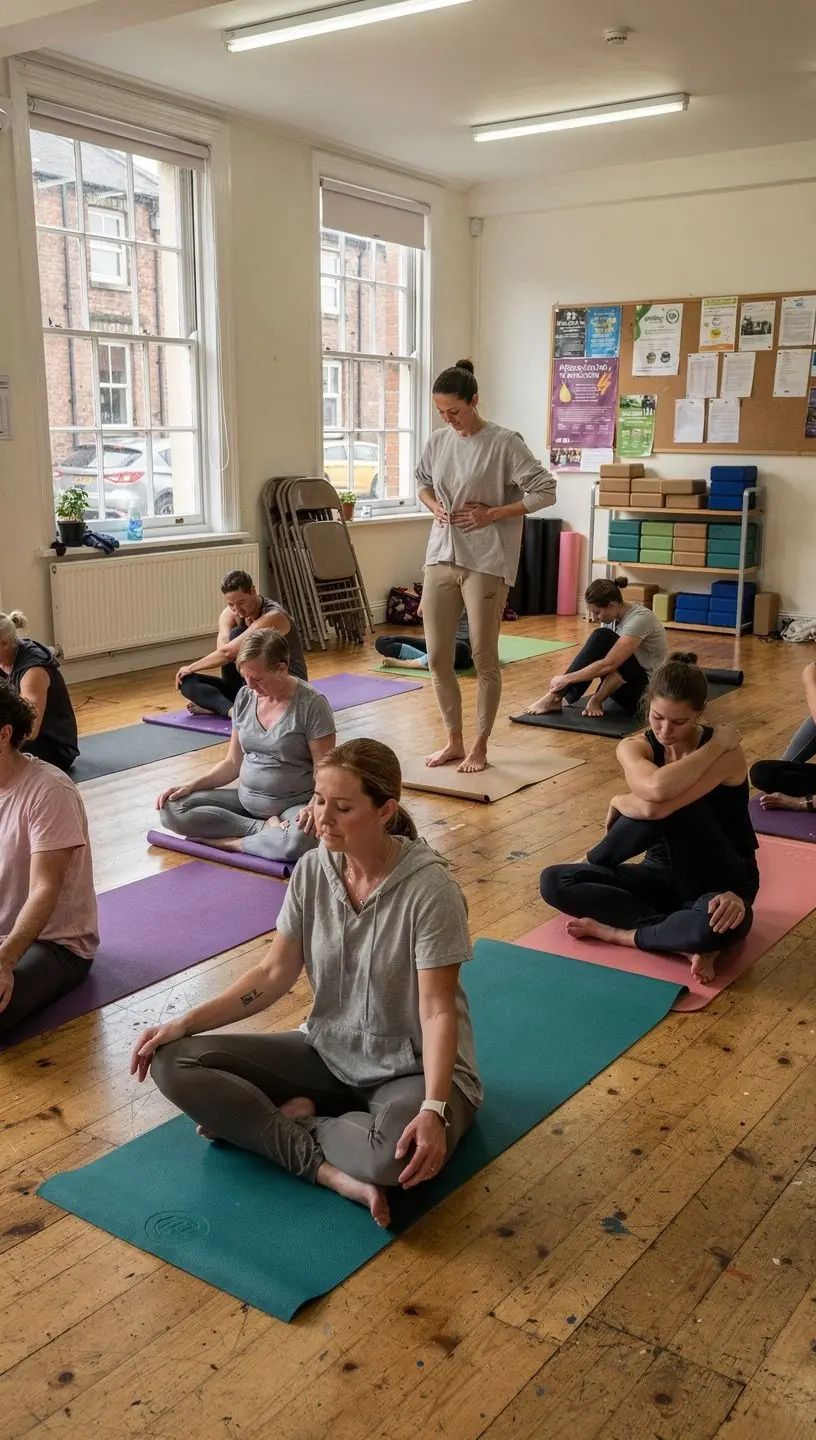
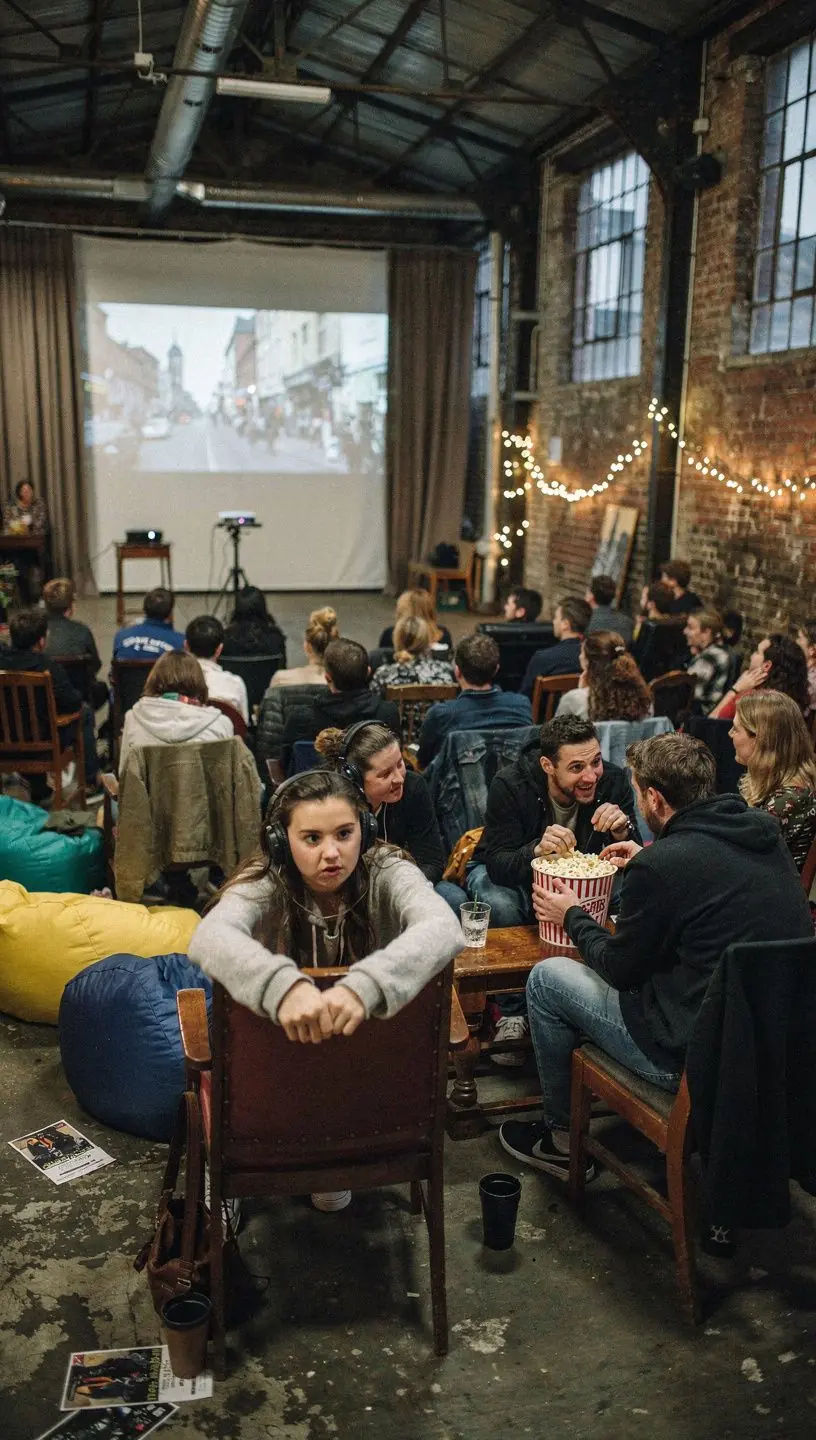
Navigating the Challenges of Event Planning
Event planning can be a rewarding but often challenging endeavor. Whether you're organizing a discussion club, concert, or game night, understanding the complexities involved is crucial for success. This article aims to provide practical insights into the event planning process, helping you navigate common hurdles while enhancing the overall experience for participants.
Understanding the Basics of Event Planning
Event planning typically involves several key components, including logistics, budgeting, promotion, and attendee engagement. According to industry research, a well-structured planning process can significantly improve the quality and success of an event. Experts recommend starting with a clear vision and objectives, allowing for a more streamlined execution.
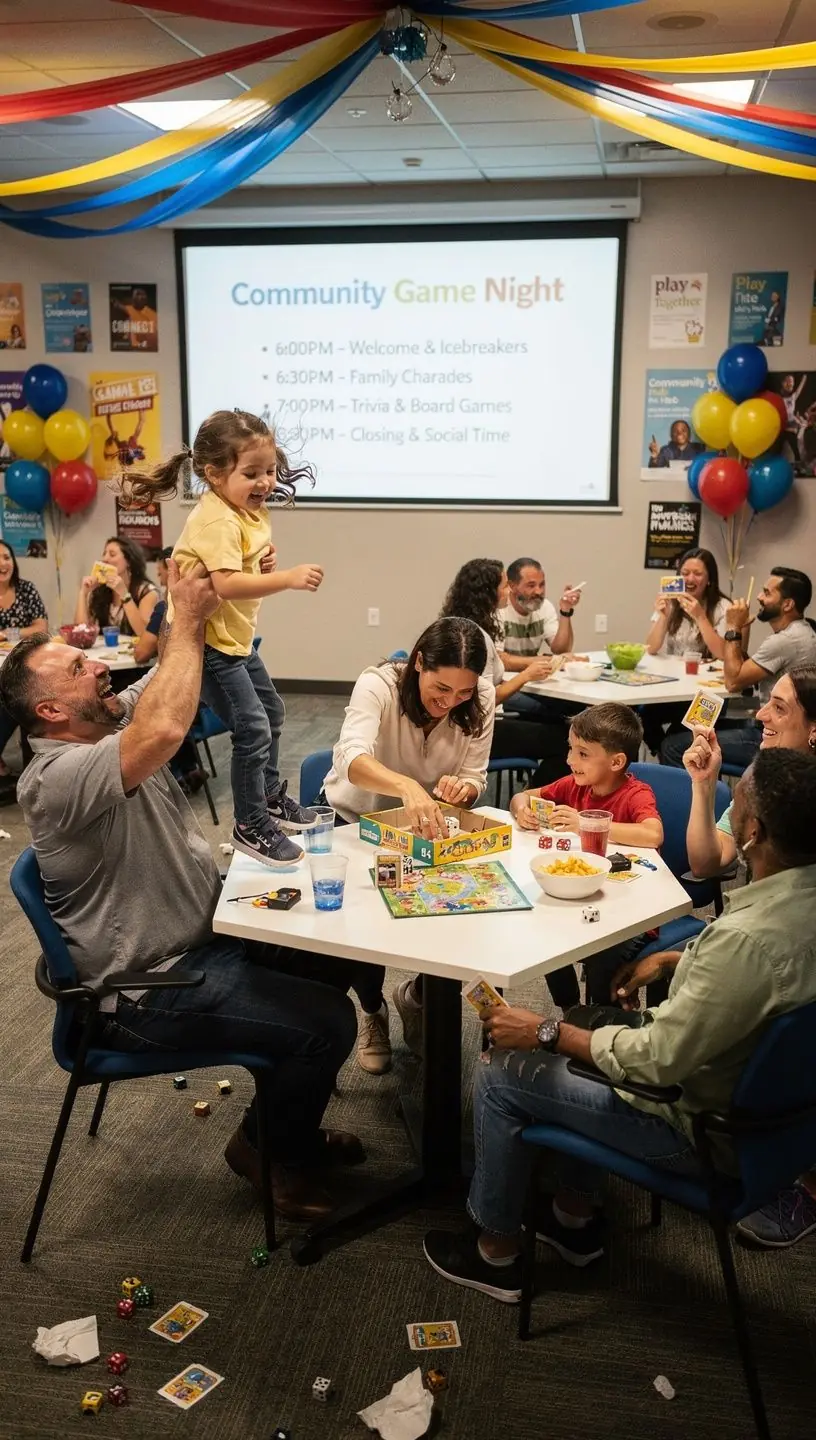
"The most successful events are those that have been meticulously planned with attention to detail."
Common Challenges and Solutions
While planning an event can be fulfilling, it often comes with its own set of challenges. Here are some typical obstacles and how to address them:
- Budget Constraints: Many organizers face strict financial limitations. Research shows that effective budgeting can typically reduce costs by up to 30%. Consider sourcing local vendors and seeking sponsorships to alleviate financial pressure.
- Logistical Issues: Coordinating venue, equipment, and staffing often presents hurdles. This can be mitigated by creating a detailed checklist and timeline, which many successful planners recommend. This approach can enhance organization and efficiency.
- Audience Engagement: Keeping participants engaged is crucial for event success. Industry experts suggest utilizing interactive elements, such as Q&A sessions or polls, to foster involvement and maintain interest throughout the event.
Steps to a Successful Event
To ensure a successful event, follow these practical steps:
- Define Your Goals: Start by outlining what you want to achieve. This might include networking, education, or entertainment, which will guide your planning process.
- Create a Timeline: Establish a timeline that includes key milestones. This typically requires 2-4 weeks of preparation for smaller events, while larger gatherings may need months of planning.
- Promote Effectively: Utilize social media and community boards to reach your target audience. Many organizers find that a consistent promotional strategy can enhance attendance rates significantly.
Conclusion
While navigating the challenges of event planning can be daunting, understanding the process and anticipating potential obstacles can lead to a more rewarding experience. By implementing structured planning methods and being aware of common pitfalls, you can create engaging and successful events that resonate with your audience. Remember, effective event planning is a skill that improves with experience, and approaching each event thoughtfully will yield better results over time.