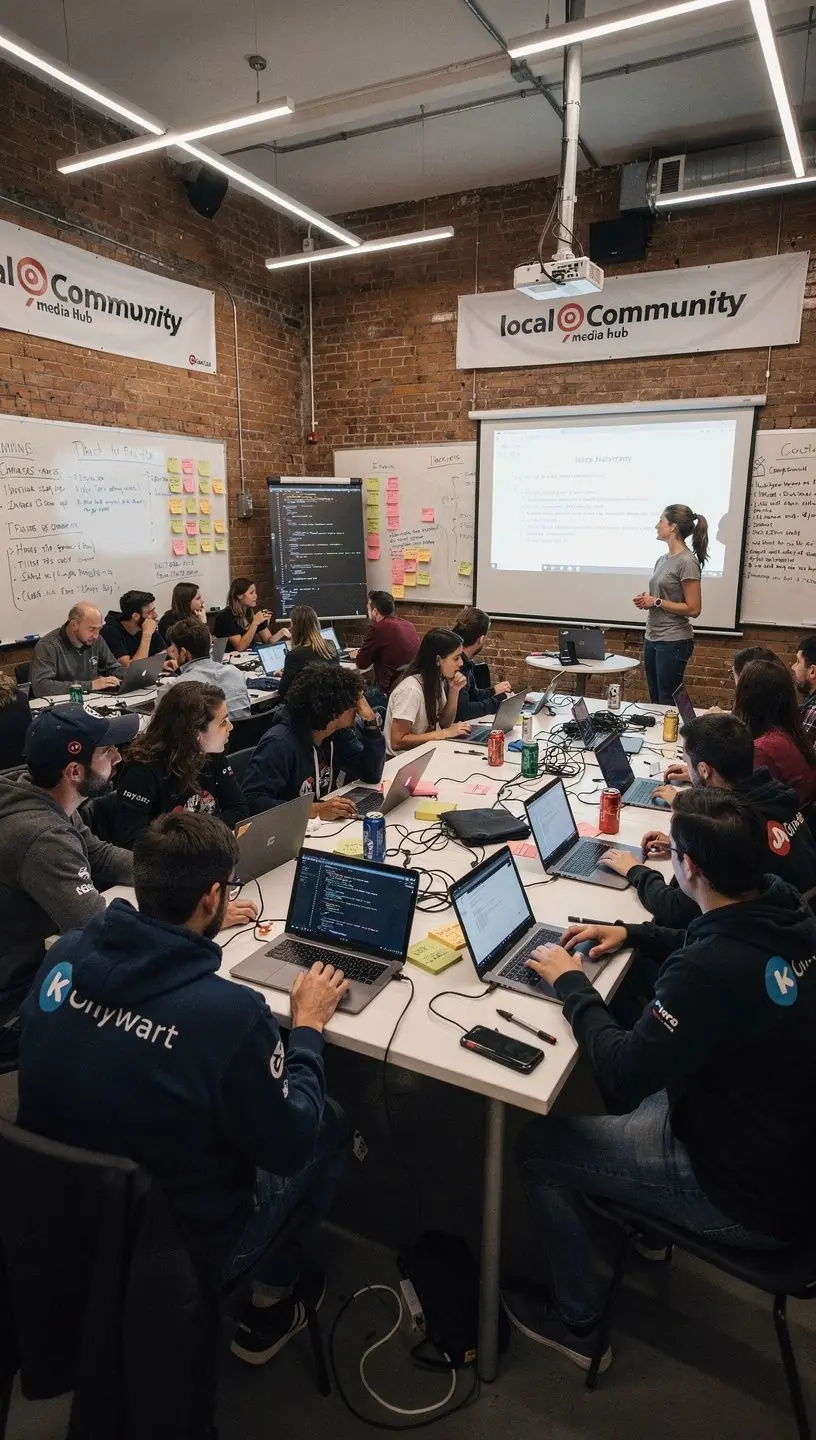
Exploring Different Types of Community Discussions
Community discussions play a vital role in fostering connections and collaboration among individuals. This article explores various types of community discussions, their importance, and how they can enrich local engagement.
Understanding the Basics of Community Discussions
Community discussions are typically structured gatherings where individuals come together to share ideas, opinions, and experiences. According to research by the Community Development Society, these discussions can significantly enhance social cohesion and facilitate knowledge sharing. The principle behind this is that through dialogue, participants can gain diverse perspectives, which often leads to collective problem-solving.

"Engaging in community discussions can strengthen relationships and build trust among participants." - Community Engagement Expert
Types of Community Discussions
There are several common types of community discussions, each serving unique purposes:
- Focus Groups: These are small, diverse groups that discuss specific topics to gather insights. Research indicates that focus groups can provide in-depth understanding of community needs, leading to targeted solutions.
- Town Hall Meetings: Often organized by local governments, town hall meetings invite community members to voice concerns and ask questions. Studies show these meetings can increase civic participation and empower residents.
- Book Clubs: These clubs encourage participants to read and discuss literature, fostering a sense of community and improving critical thinking skills. Many users report that book clubs can enhance social interaction and literary appreciation.
- Workshops and Seminars: These educational gatherings focus on skill-building and sharing expertise. Experts recommend workshops as effective ways to engage community members in a hands-on learning environment.
Benefits of Engaging in Community Discussions
Participating in community discussions offers numerous benefits:
- Enhanced Communication Skills: Regular participation helps individuals articulate their thoughts clearly and listen actively.
- Networking Opportunities: Community discussions can lead to new friendships and collaborations, expanding one's social circle.
- Increased Awareness: Engaging with diverse viewpoints can heighten awareness of local issues and potential solutions.
- Empowerment: By voicing opinions, individuals often feel more empowered to enact change within their community.
How to Facilitate Effective Community Discussions
Facilitating a successful community discussion typically involves careful planning and consideration. Here are some steps to ensure meaningful engagement:
- Define Clear Objectives: Clearly outline the purpose of the discussion to guide conversations effectively.
- Encourage Inclusivity: Foster an environment where all voices are heard, which may require setting ground rules for respectful dialogue.
- Use Open-Ended Questions: This encourages deeper exploration of topics and prevents the discussion from becoming too limited.
- Follow Up: Post-discussion, share outcomes and next steps to keep participants informed and engaged.
Conclusion
Community discussions are powerful tools for social engagement and collective action. By understanding the various types of discussions and their benefits, individuals can actively participate in shaping their communities. While the effort required may vary, the rewards of engaging with others in meaningful conversation are well worth it. As you consider joining or starting a discussion, remember that the goal is to foster a space for shared ideas, learning, and growth.
Continue Reading