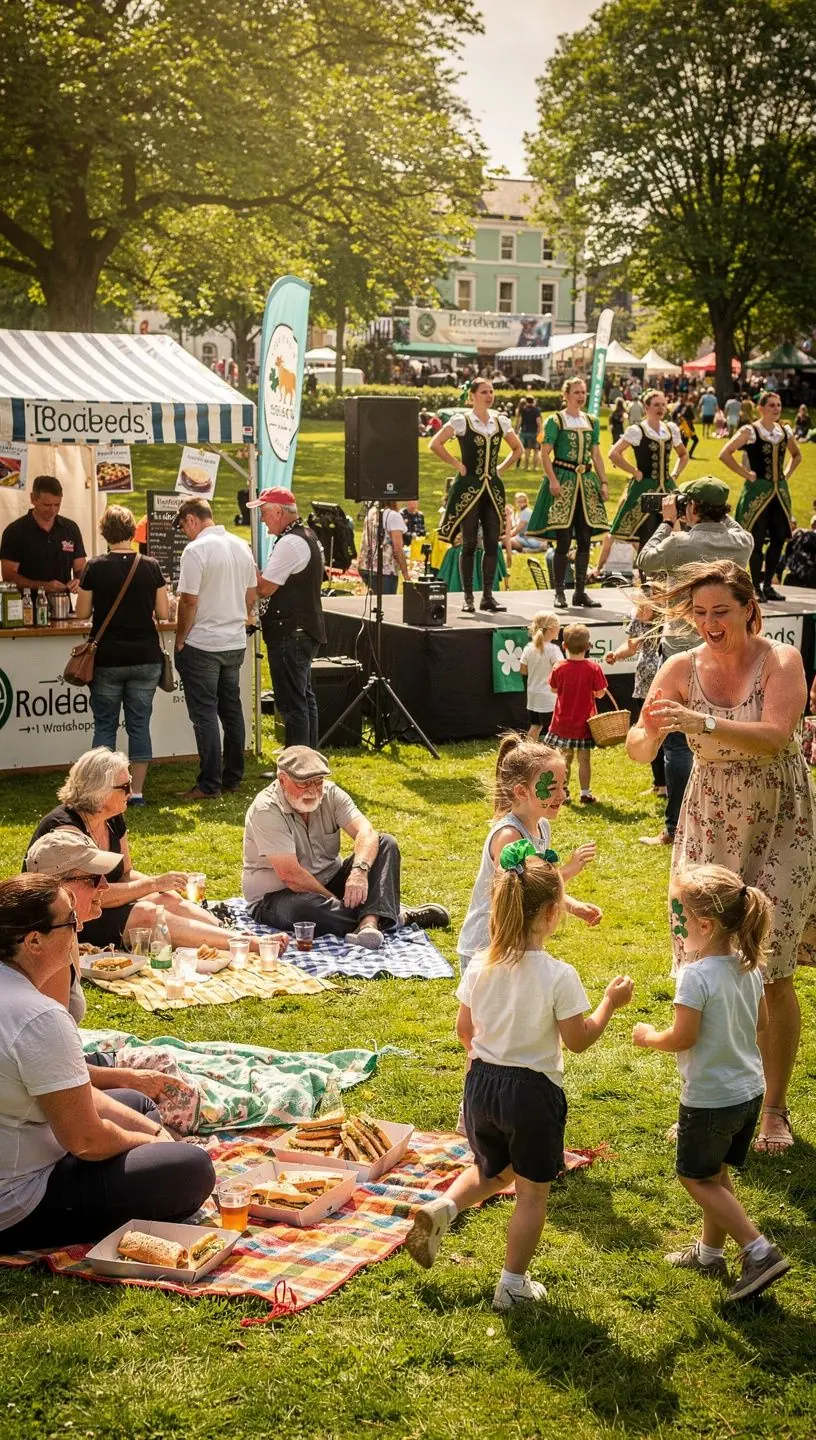
How to Develop a Diverse Event Calendar
Creating a diverse event calendar can significantly enhance community engagement and provide enriching experiences for members. In this article, we will explore effective strategies to develop a varied event lineup that caters to different interests and demographics.
Understanding the Importance of Diversity
Diversity in event programming is essential for fostering an inclusive environment. According to research, communities that offer a wide range of activities often see increased participation and satisfaction among members. This is because diverse events can attract various groups, from families to young professionals, creating a vibrant community atmosphere.

"Communities thrive when they embrace diversity in their events, offering something for everyone."
Identifying Audience Interests
The first step in developing a diverse event calendar is to understand the interests of your community members. You can achieve this through methods such as:
- Surveys: Conduct regular surveys to gather feedback on what types of events people would like to see.
- Community Meetings: Host open forums where members can discuss their interests and suggestions for future events.
- Social Media Polls: Utilize social media platforms to engage younger audiences and gather insights quickly.
Incorporating Different Event Types
Once you have a clear understanding of your audience's interests, it’s time to diversify the types of events you offer. This could include:
- Cultural Celebrations: Events that celebrate various cultures can foster inclusivity and community spirit.
- Workshops and Classes: Educational events focusing on skills like cooking, art, or technology can engage individuals looking for personal development.
- Social Events: Game nights, movie screenings, and music concerts typically attract a wide range of participants and can enhance community bonds.
Balancing Frequency and Variety
While it’s important to offer a diverse range of events, finding the right balance in frequency can also impact participation. Experts recommend:
- Hosting events at regular intervals, such as monthly or quarterly, to maintain engagement without overwhelming your audience.
- Assessing the success of past events to refine future programming, ensuring that you are allocating resources effectively.
- Allowing time for members to digest past events and generate anticipation for upcoming ones, which can enhance turnout.
Promotion and Communication
Lastly, effective communication plays a vital role in the success of your event calendar. It’s crucial to:
- Utilize multiple channels, including email newsletters, social media, and community boards, to reach as many members as possible.
- Clearly convey the benefits of attending each event, as this can motivate individuals to participate.
- Encourage word-of-mouth promotion by creating shareable content that highlights the unique aspects of each event.
Conclusion
Developing a diverse event calendar requires thoughtful planning and an understanding of your community's needs. By identifying interests, incorporating various event types, balancing frequency, and promoting effectively, you can create a dynamic lineup that engages all members. Remember, the effort put into creating a well-rounded calendar can lead to increased participation and a stronger, more connected community.